

From celebrity weight loss stories to conversations about the future of obesity treatment, GLP-1 medications have been making headlines for quite some time. You’ve probably heard of Ozempic, Wegovy, and Zepbound, but what’s actually happening inside your body when you take one of these medications?
While much of the attention surrounding GLP-1 medications focuses on weight loss, their effects go way beyond the number on the scale. They influence everything from how hungry you feel throughout the day to how your body manages blood sugar after a meal.
If you’re considering medical weight management or simply want to understand more about these medications, here’s what you need to know.
What Is GLP-1?

You may be surprised to learn that your body already produces its own GLP-1. Short for glucagon-like peptide-1, GLP-1 is a naturally occurring hormone released by your intestines in response to eating. It belongs to a group of hormones known as incretins, which help regulate blood sugar levels after a meal.
GLP-1 also plays a role in how hungry you feel, how quickly you feel full, and how long food stays in your stomach.
However, your body breaks down natural GLP-1 within minutes. GLP-1 medications have been developed to mimic the effects of this hormone while remaining active in your body for much longer.
GLP-1 and Your Body: What’s the Connection?
Every time you sit down to eat, a series of hormonal signals helps your body digest food, regulate blood sugar, and recognize when you’ve had enough.
GLP-1 is involved in several of these processes, helping to:
- Stimulate insulin release when blood sugar levels rise.
- Reduce the release of glucagon (a hormone that raises blood sugar).
- Slow the movement of food from your stomach into your small intestine.
- Communicate with areas of your brain that regulate hunger and fullness.
These different functions help explain why GLP-1 medications can be beneficial in the treatment of both type 2 diabetes and obesity.
How Do GLP-1 Medications Work?
GLP-1 medications, also known as GLP-1 receptor agonists, activate the same receptors as your naturally occurring GLP-1 hormone. By doing so, they influence several of the processes that regulate appetite, digestion, and blood sugar.
So, what might you notice during treatment?
You May Feel Hungry Less Often
If you regularly find yourself reaching for snacks between meals or thinking about food throughout the day, GLP-1 medications may help reduce some of those urges.
They act on areas of the brain involved in appetite regulation, helping to reduce feelings of hunger. Some people also notice a reduction in persistent thoughts about food (often referred to as “food noise”).
Smaller Portions May Leave You Feeling Satisfied
You may find that a meal you’d usually finish quite comfortably leaves you feeling full much sooner. GLP-1 medications influence the signals your brain receives about fullness and can also slow stomach emptying. The latter effect varies between medications and may change over time.
Together, these changes can help reduce the amount of food you eat.
Your Blood Sugar May Become Easier to Manage
By encouraging insulin release when blood sugar is elevated and reducing glucagon secretion, GLP-1 medications can help improve blood sugar regulation. In fact, GLP-1 receptor agonists were originally introduced as a treatment for type 2 diabetes, long before they became widely associated with weight loss.
GLP-1 vs. GIP/GLP-1: What’s the Difference?
Just when you’ve got your head around GLP-1, another acronym appears. GIP (glucose-dependent insulinotropic polypeptide) is another hormone your body releases in response to eating. Like GLP-1, it plays a role in blood sugar regulation.
While medications such as semaglutide activate GLP-1 receptors, tirzepatide activates both GIP and GLP-1 receptors. This dual action influences blood sugar regulation, appetite, and food intake.
Here’s a breakdown of some of the medications you may have heard about:
| Active ingredient | Medication type | Brand examples and approved uses |
| Liraglutide | GLP-1 receptor agonist | Saxenda (weight management), Victoza (type 2 diabetes) |
| Semaglutide | GLP-1 receptor agonist | Wegovy (weight management), Ozempic and Rybelsus (type 2 diabetes) |
| Tirzepatide | Dual GIP/GLP-1 receptor agonist | Zepbound (weight management), Mounjaro (type 2 diabetes) |
Some of these medications have additional FDA-approved uses. Medications containing the same active ingredient may also differ in their doses, formulations, and approved uses.
Why Are GLP-1 Medications Used for Weight Loss?
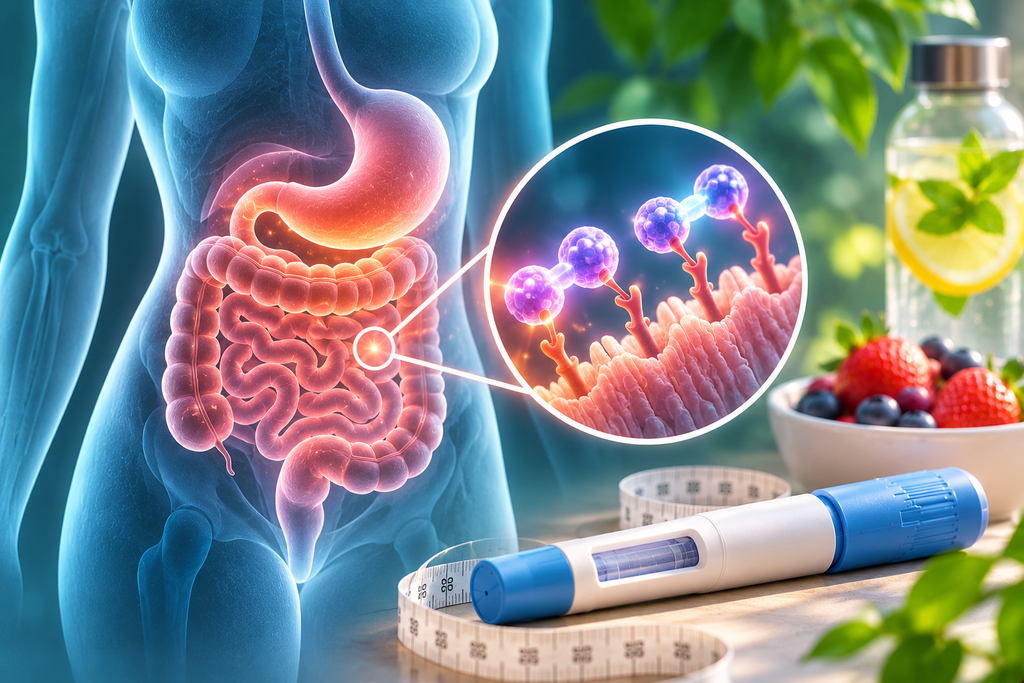
If you’ve ever struggled to manage your weight, you’ll know there’s often much more to it than eating less and exercising more. Genetics, hormones, sleep, medical conditions, and environmental factors can all influence your weight. Add persistent hunger or difficulty feeling satisfied after meals into the mix, and maintaining dietary changes can become even more challenging.
GLP-1-based medications help address some of the biological processes involved in appetite regulation, which may make it easier to manage your food intake.
Clinical trials have demonstrated significant weight loss with several of these medications. However, results vary, and treatment needs to be tailored to your individual health needs and circumstances.
Could You Be a Candidate for GLP-1 Treatment?
While GLP-1 medications can be an effective weight management tool, they aren’t suitable for everyone. In the US, adults may generally be considered for treatment with certain FDA-approved weight management medications if they have:
- A body mass index (BMI) of 30 or higher
- A BMI of 27 or higher alongside a weight-related health condition, such as high blood pressure or type 2 diabetes
Your medical history, current medications, and overall health will also need to be taken into account.
It’s worth familiarizing yourself with the potential side effects, too. Nausea, constipation, diarrhea, and vomiting are among the more common ones, while more serious complications can include pancreatitis and gallbladder problems.
These medications should not be used for weight loss during pregnancy, and certain products are unsuitable for those with a personal or family history of medullary thyroid cancer or multiple endocrine neoplasia type 2 (MEN2).
Getting More Out of Your Weight Management Treatment
When your appetite changes, your nutritional needs don’t disappear with it. Eating smaller portions means it’s especially important to pay attention to what you’re eating and whether you’re getting enough nutrients.
- Are you getting enough protein?
- Are you drinking enough water throughout the day?
- Are you incorporating physical activity, including strength-building exercises where appropriate, into your routine?
These are all things worth considering during treatment. Regular follow-up appointments can also help identify nutritional concerns, manage side effects, and ensure your treatment continues to meet your needs.
It’s worth discussing your longer-term plans with your healthcare provider, too, as weight regain is common after stopping GLP-1 medications.
Is GLP-1 Treatment Right for You?
With so many weight management options available, it can be difficult to know where to start. A medical weight management consultation gives you the opportunity to explore your options, discuss any concerns, and find out whether GLP-1 treatment may be suitable for you.
From reviewing your medical history to discussing nutritional support and long-term weight management, your healthcare provider can help you develop a treatment plan that takes your individual needs into account.
Frequently Asked Questions
Are GLP-1 medications insulin?
No. While GLP-1 medications encourage your pancreas to release insulin when blood sugar levels rise, they don’t contain insulin themselves.
Do GLP-1 medications burn fat?
GLP-1 medications don’t directly burn fat. By helping regulate appetite and reduce food intake, they can encourage your body to draw on its stored energy, including body fat.
Do GLP-1 medications work for everyone?
Everyone responds differently to treatment. Some people experience significant weight loss, while others see more modest results or find that side effects make treatment unsuitable.
Can you take GLP-1 medications without having diabetes?
Yes. Medications including Wegovy, Saxenda, and Zepbound are FDA-approved for weight management in those who are eligible without diabetes.
Do GLP-1 medications completely stop you from feeling hungry?
While you may notice a reduction in hunger, you should still be able to eat enough to meet your nutritional needs. If you’re struggling to eat adequately, speak with your healthcare provider.